Executive Summary
Legal CRM API integration becomes a critical operational concern when law firms scale beyond basic automation. Modern law firms rely on legal CRMs such as Lawcus and Clio to coordinate matters, documents, and internal workflows. While these platforms offer broad functionality, operational risk emerges when firms extend them through automation and third-party integrations without sufficient architectural safeguards.
AZ Technologies LLC was engaged to stabilize legal CRM API integration for a law firm experiencing recurring automation failures. The objective was to restore reliability, improve security, and give leadership the technical clarity needed to make informed platform decisions.
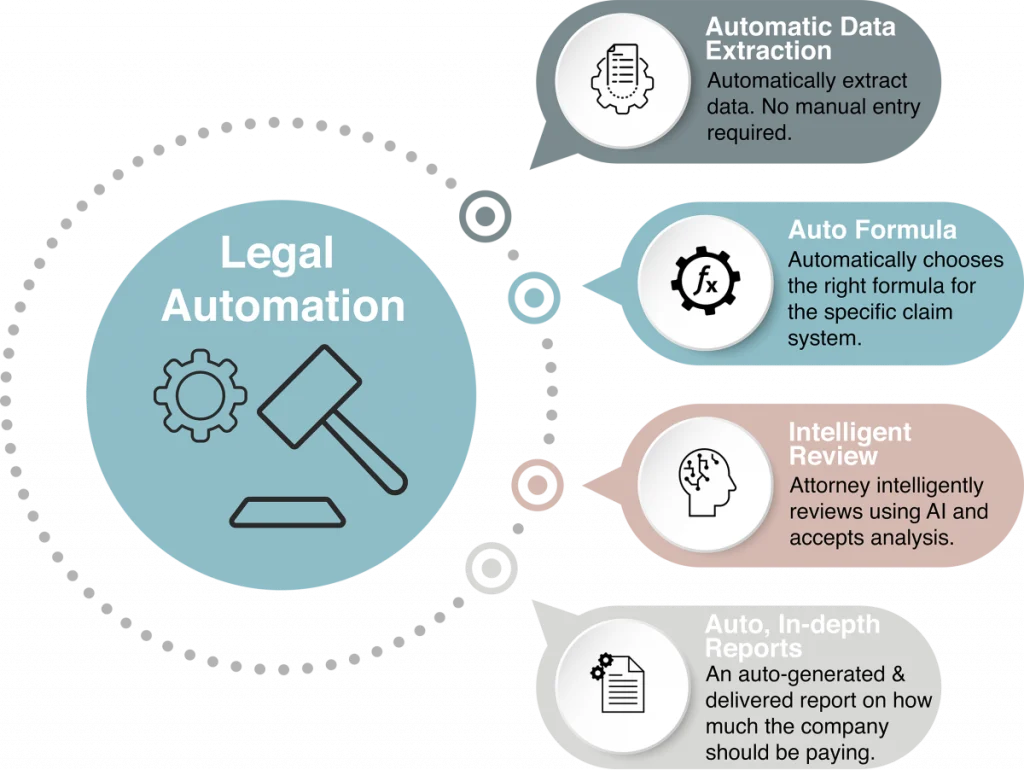
Legal Operations Technology Architecture
The Operational Risk of Weak Legal CRM API Integration
From a legal operations and governance perspective, unreliable legal CRM API integration introduces compounding risk:
-
Automation failures caused by expiring API credentials
-
Daily manual intervention to restore workflows
-
Limited visibility into whether failures stem from vendor limitations or architecture
-
Security exposure through unmanaged third-party integrations
These challenges commonly surface when law firms extend CRM platforms like Lawcus or Clio beyond their native integration boundaries.
AZ Technologies’ Engagement Approach
AZ Technologies was engaged as a technical advisor and implementation partner, with a mandate to stabilize operations first, then enable informed strategic decisions.
API & Authentication Risk Assessment
We began with a focused analysis of how the CRM’s API behaved under real operational conditions. Key findings included:
-
Short-lived authentication tokens expiring every 24 hours
-
No reliable refresh mechanism exposed through native integrations
-
Automation failures occurring without clear error signaling
-
Prior attempts at middleware that were no longer aligned with the platform’s behavior
This assessment made it clear that native CRM integrations were insufficient for sustained automation at scale.
Designing a Reliable Legal CRM API Integration Layer
Middleware-Based API Stabilization
Rather than layering additional Zaps or brittle retries, AZ Technologies designed a controlled middleware layer that:
-
Interfaces directly with the legal CRM API
-
Automatically manages token refresh cycles
-
Presents stable, predictable endpoints to automation platforms
-
Shields downstream workflows from authentication volatility
This architecture transformed API access from a point of failure into a managed service boundary.
Security & Governance in Legal CRM API Integration
Given the sensitivity of legal data, security design was non-negotiable. The solution implemented:
-
Client-owned bearer tokens for middleware access
-
Complete isolation of CRM credentials from third-party platforms
-
The ability for leadership or IT to rotate or revoke access instantly
-
No public exposure of authentication artifacts
From a governance standpoint, this model exceeded the security posture of direct CRM-to-Zapier integrations.
Legal CRM API Integration with Document Workflows
As part of the engagement, AZ Technologies also ensured reliable linkage between the legal CRM and Microsoft OneDrive within Microsoft 365.
This enabled:
-
Automatic association of document folders with matters
-
Consistent metadata propagation across systems
-
Reduced manual handling by legal staff
For operations teams, this restored confidence in document workflows tied to CRM records.
Outcomes for Legal Operations Leadership
The engagement delivered measurable operational benefits:
-
Elimination of daily automation failures
-
Restoration of trust in workflow reliability
-
Improved security and auditability of API access
-
Reduced staff time spent on manual remediation
-
Clear technical insight into platform limitations
Critically, leadership gained decision clarity: they could now evaluate whether to continue investing in their CRM or migrate to alternatives with a full understanding of the technical tradeoffs.
Strategic Implications for Enterprise Law Firms
This engagement reflects a broader reality in legal operations:
-
Legal CRMs are not inherently enterprise-grade automation platforms
-
Native integrations often fail under sustained operational load
-
API architecture—not vendor marketing—determines reliability
Firms that treat automation as infrastructure, rather than configuration, are better positioned to scale without operational disruption.
Where AZ Technologies Fits
AZ Technologies LLC supports law firms and professional services organizations with:
-
Legal CRM API integration and stabilization
-
Automation architecture across Zapier, Make, and custom APIs
-
Security-first middleware design
-
Vendor-neutral advisory for platform evaluation and migration
Our role is not to sell software but to ensure legal operations remain reliable, secure, and adaptable as technology stacks evolve.